Digital Railways UK
The ORBIS Digital Railway Programme, led by Network Rail, was the largest digitisation programme undertaken in the UK transportation sector at the time.
This multi-billion-pound initiative modernised the national rail network by replacing traditional trackside signalling with continuous digital in-cab signalling. The programme formed part of the UK government’s 10-year ‘Digital Railways’ plan, with DXC selected as the technology partner.
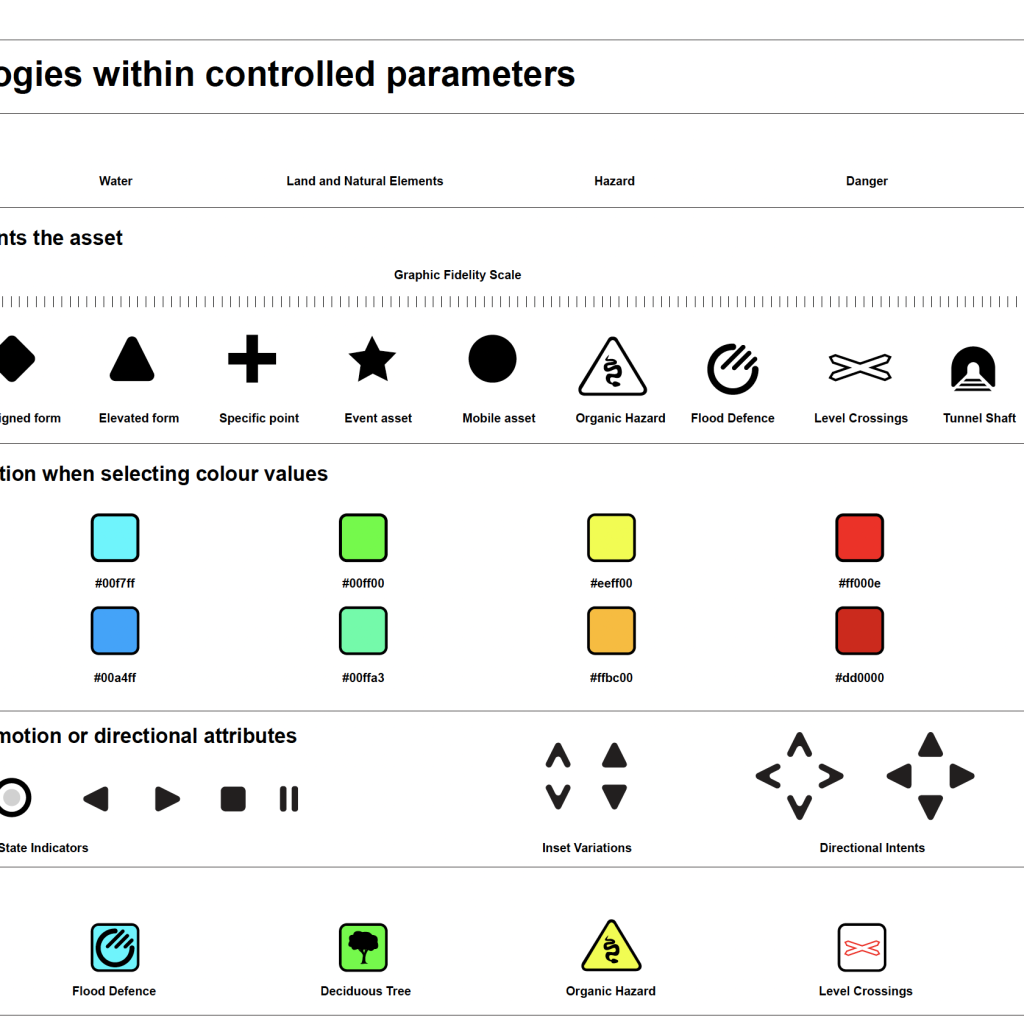
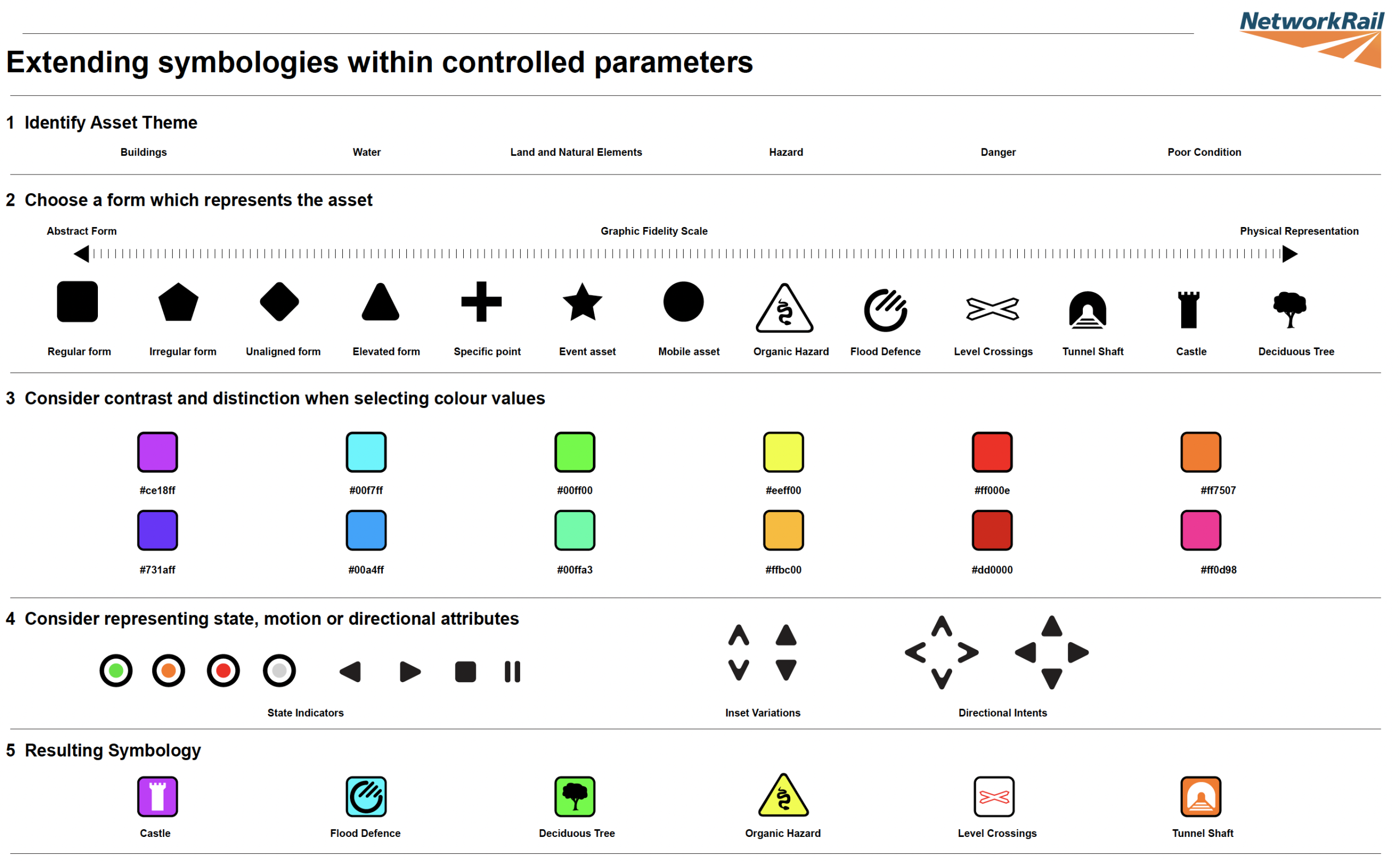
At programme inception, many rail assets were still maintained through physical hard copies of track infrastructure and diagnostic records, with some original records dating back to the Victorian era remaining in active use. ORBIS was established to help Network Rail rebuild its data sources, define a new information architecture, design new products using geospatial interfaces, and create new symbology sets for rail network assets.
The programme marked a step change in how rail assets across the UK were identified and tracked for maintenance. Its benefits were multidimensional, improving safety for track crews while increasing cost efficiency for engineers and maintenance planners. Network Rail gained the ability to monitor component lifecycles digitally, while geospatial mapping made features and components easier to locate. Maintenance costs for labour and replacement components also became subject to greater control and observability, based on the estimated lifespan of each component.
I directed the research and product design for a complex portfolio of railway infrastructure systems and services within this major digital transformation programme. The customer’s objective was to geolocate and map every physical feature across the UK rail network, assign geospatial coordinates, and introduce a new classification system. My team researched track assets and evaluated them for inclusion within a new asset taxonomy. This taxonomy became the framework for the information architecture of Network Rail’s GeoRINM software product, developed by DXC in collaboration with EY, ArcGIS, Atkins Rail Consultants, and Network Rail personnel, including track maintenance officers, cartographers, and planners.
I led the full system and experience design lifecycle, with responsibilities spanning research, stakeholder engagement, and close collaboration with Network Rail department leaders and an EY consultancy team. DXC and EY delivered a series of workshops and research engagements with engineering, works, and maintenance departments. I oversaw the design lifecycle end to end and acted as the primary point of contact for engagement with Network Rail’s design bodies. Governance was rigorous and strictly applied, with oversight from three separate groups: Ergonomics and Human Factors, the Design Authority, and ORBIS. My remit covered the design of digital systems, the visual representation of assets, and the development direction of the interactive experience, including interface design patterns, visual design systems, testing and validation cycles including UAT, and deployment adoption strategies.
Agentic Vector
As Global Design Lead for Workplace Services, I led the UX strategy and design for the DXC Virtual Agent product. Built on IBM Watson’s AI framework, the Virtual Agent represented an early conversational experience platform and a precursor to today’s RAG- and LLM-based technologies. At its core, Watson was designed to support question-and-answer interactions and structured conversational journeys.
The DXC Virtual Agent integrated with customer applications and device estates, core systems of record, Azure AD, Graph API, and Microsoft IAM to ingest user identity, hardware, and ServiceNow ITSM data. By interpreting semantic conversational signals, the team established clear and consistent interaction patterns across the experience. I directed the architecture of these technical components, partnering with Enterprise Architects and AI Engineers to create a bot framework capable of industrialisation.
Watson’s entities and intents, together with verb and noun synonyms, were trained by the DXC team using raw data drawn from ServiceNow ITSM tickets across the global support services account base. Access policies, approval models, and system-based controls were applied within the system of record, ServiceNow, and extended through to the Watson conversational front end. Initially deployed through Skype for Business in 2017, the experience rapidly expanded across web, mobile, and Microsoft Teams channels.
I helped define and test the limits of rule-based algorithms in relation to language structures and the complexity of internationalisation—limitations that modern generative AI has since overcome. Within those constraints, the UX Research and Engineering teams under my leadership designed and built naturalistic, linguistic, and deterministic training models. These efforts contributed to integrated ServiceNow ITSM question-and-answer experience sets that brought an early AI-enabled solution to market.
The conversational models were researched and designed with entities and intents managed locally within the product. As the functionality expanded across numerous workflows guiding users to knowledge articles, escalation pathways, and, where required, live-agent support, I defined the role of the Conversational Designer. In practice, the Virtual Agent became a conversational mechanism for collecting case data, improving context for support agents, and increasing service deflection.
I led the team in operationalising IBM Watson’s language-based sentiment and emotional interpretation models, creating an extensive library of synonyms and relational terms. Although conversational experiences were still in their technical infancy compared with the advanced RAG and LLM capabilities now available through Claude, ChatGPT, ServiceNow, and Copilot, the team established core principles of experience design and conversational convention. These foundations enabled a range of use cases that supported the DXC global service desk by deflecting users to self-service knowledge articles and automating data collection for requests and incidents.
In 2021, DXC introduced the UPtime framework and transitioned to Espressive Barista as its chat engine. While Barista was not based on RAG or LLM technology, its modular, cloud-based bot framework provided a more scalable approach to domain knowledge and conversational experience. Its lexicon and technology references, delivered through web- and cloud-based knowledge repositories, expanded the breadth of knowledge coverage and conversational detail, significantly improving the product experience over the earlier IBM solution.
I led the exploration of use cases and experience conventions for Barista-based services, primarily building experiences that were more extensive and interconnected. Along with state management and continuation, features that were missing or clunky in Watson, Barista enabled an extension of interaction language patterns that were more naturalistic and nuanced. Whereas IBM Watson was a framework to build upon from the ground up, Barista provided a significant set of bundled common IT scenarios, and its internationalised translation services were delivered dynamically in the cloud.
DXC productised this new technology as ‘DXC Digital Assistant’, and my role changed to unified experience ecosystem architect, with a more integrated, holistic vision for workplace services. This vision comprised all technologies and experiences within the new UPtime portfolio launched in 2021.

Unified Experience Analytics
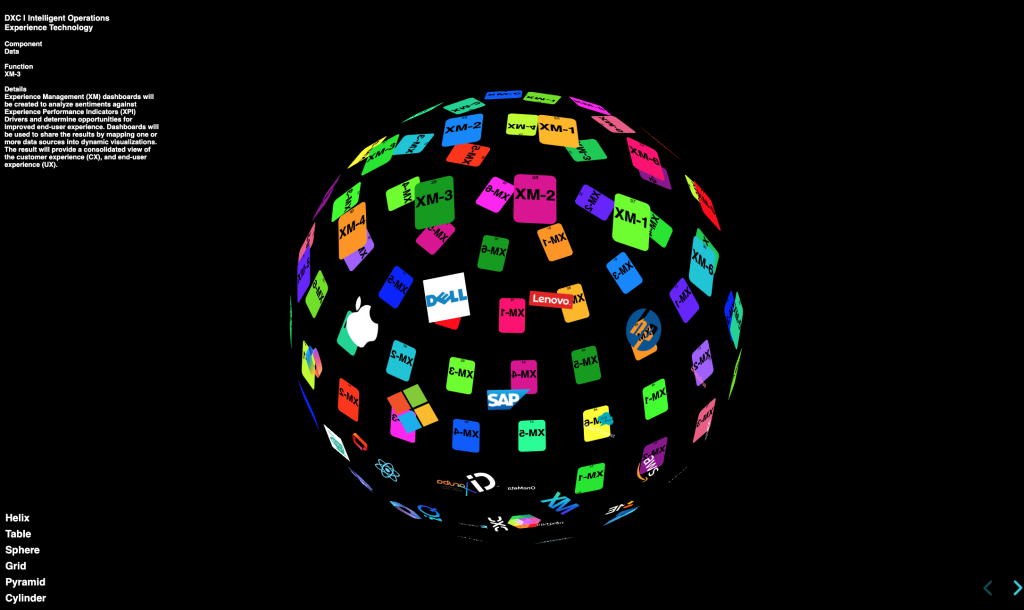
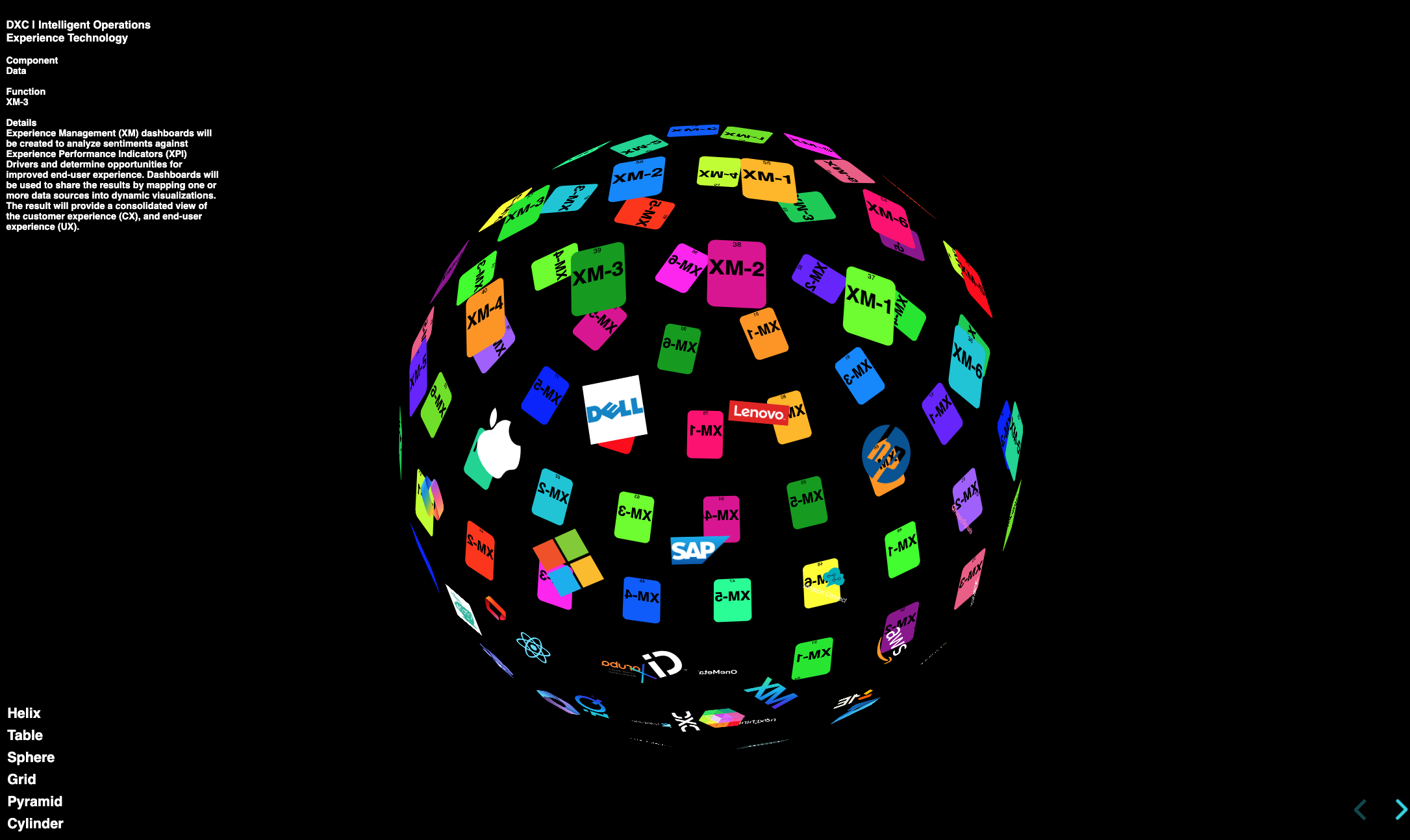
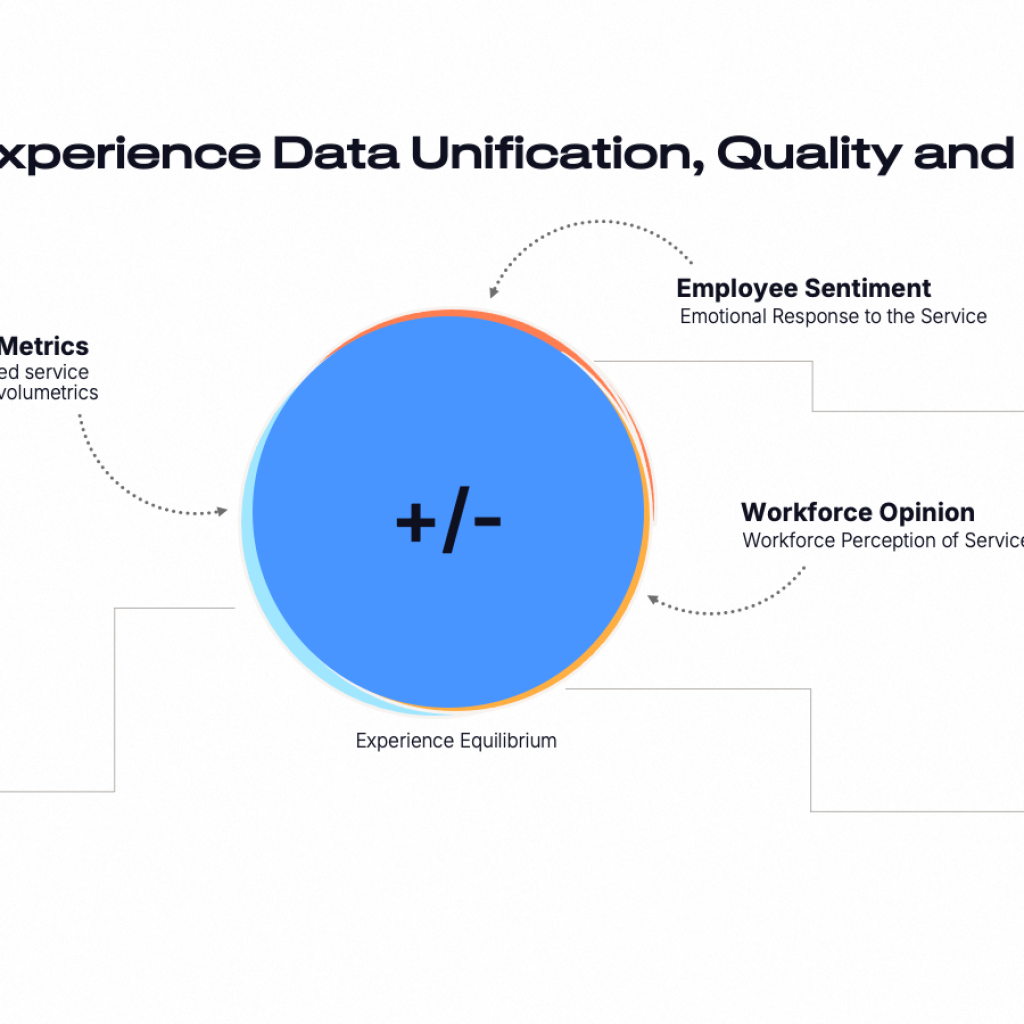
I am leading the strategy for the Workplace Experience programme, supporting deployment of an Experience Management framework including XMO structure, XLAs, satisfaction survey processes and continuous improvement mechanisms. The programme operates under a Unified Experience Data Management strategy that integrates subjective (X Data), operational (O Data) and technological (T Data) experience sources.
Sources of data are consolidated into an abstracted ‘meta model’, with a consolidated data model utilising AI tools for NLP, NLU and sentiment analysis. ML features are used to recursively analyse user behavioural patterns across user segments within the ECB. User segments and operational units are monitored for experience underperformance or technology degradation, which is then addressed in real time through advanced service automation or retrospectively through XMO governance.
Visual Design
I established the internal UX product team for requirements evolution, workplace service research and logic, journey mapping, rapid prototyping, POC development, and prototype development, sustaining an active feedback and user-testing function within the Agile development cycle. The team also led visual design and design system development using React UI Library components, the Muuri.js layout grid, Storybook.js, and Figma design tokens and layouts. UI elements were managed and versioned using tokenisation and release versions.
Mental Modelling
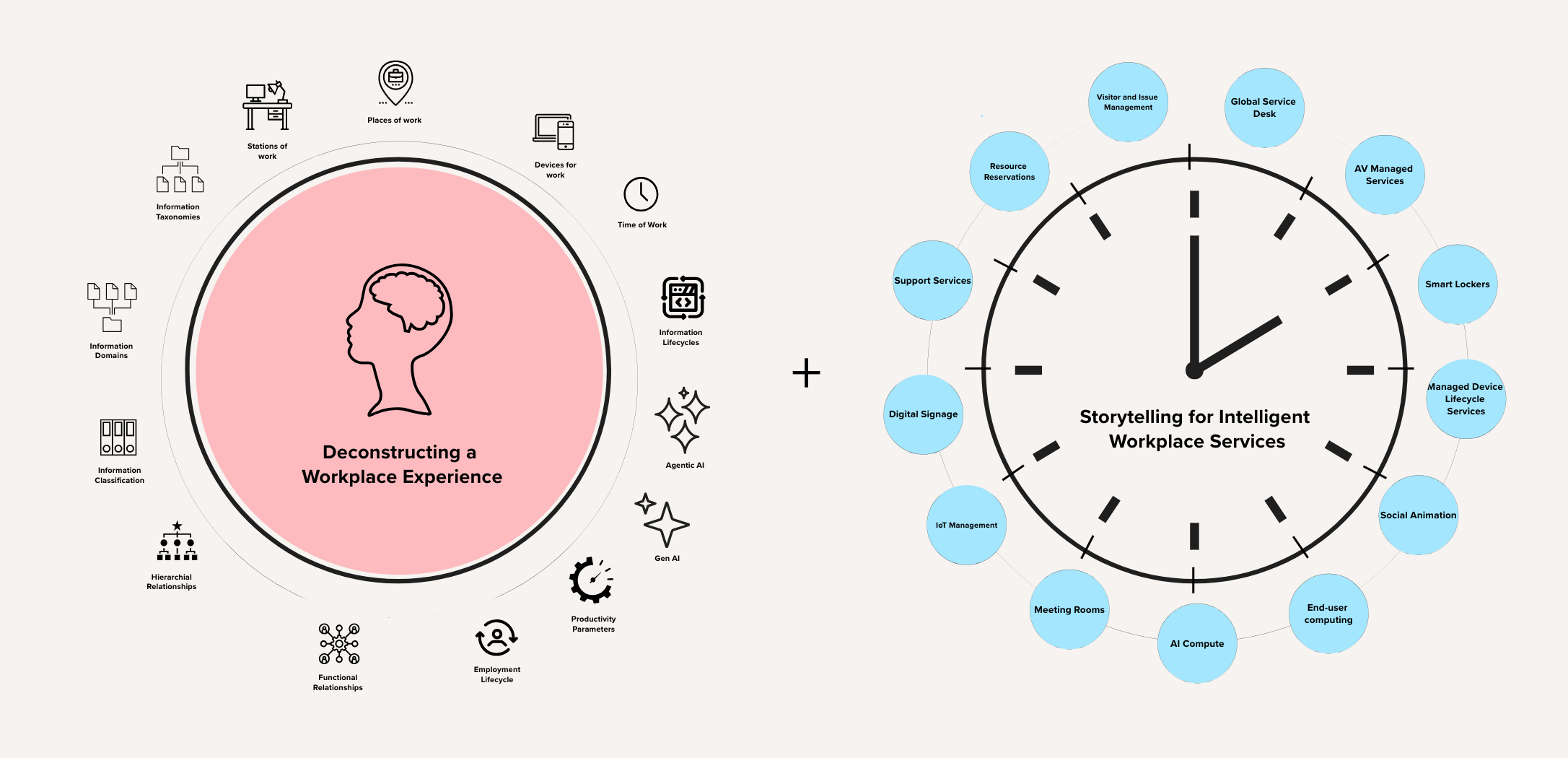
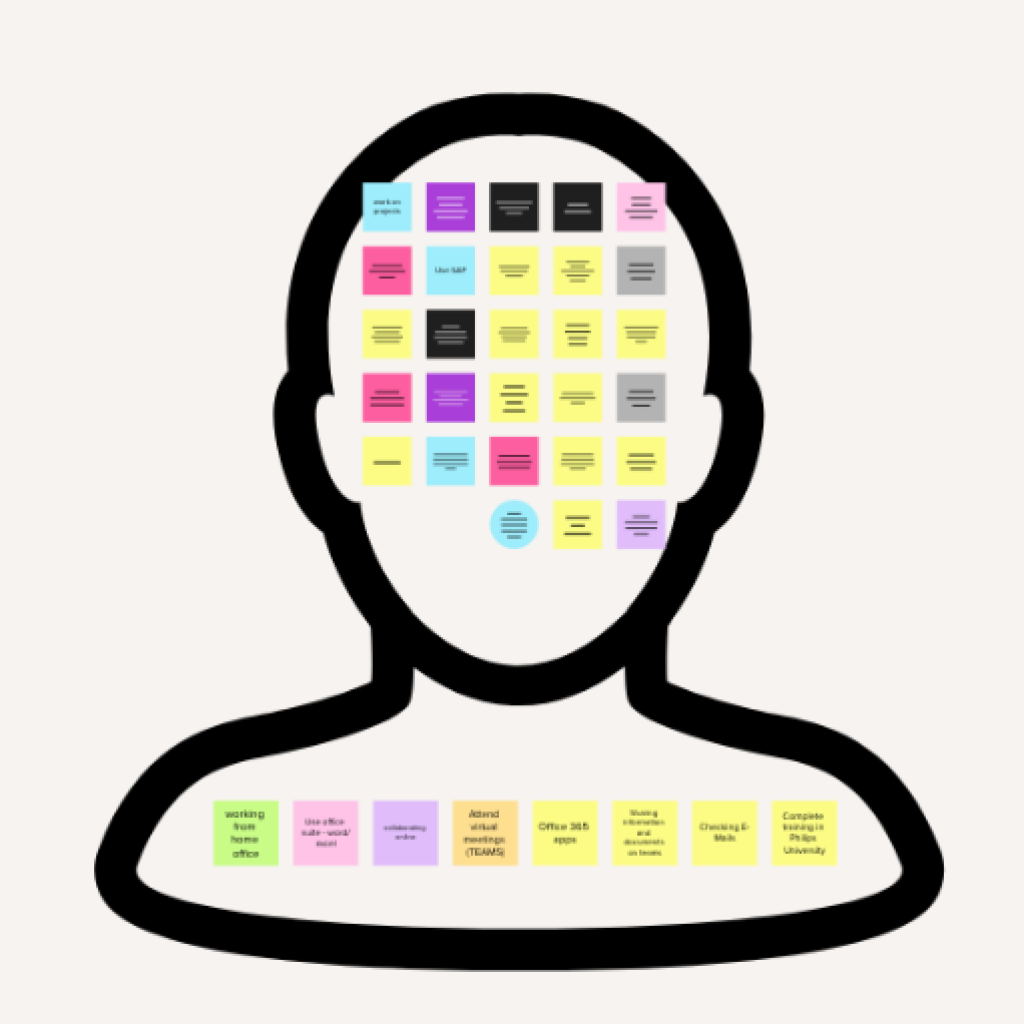
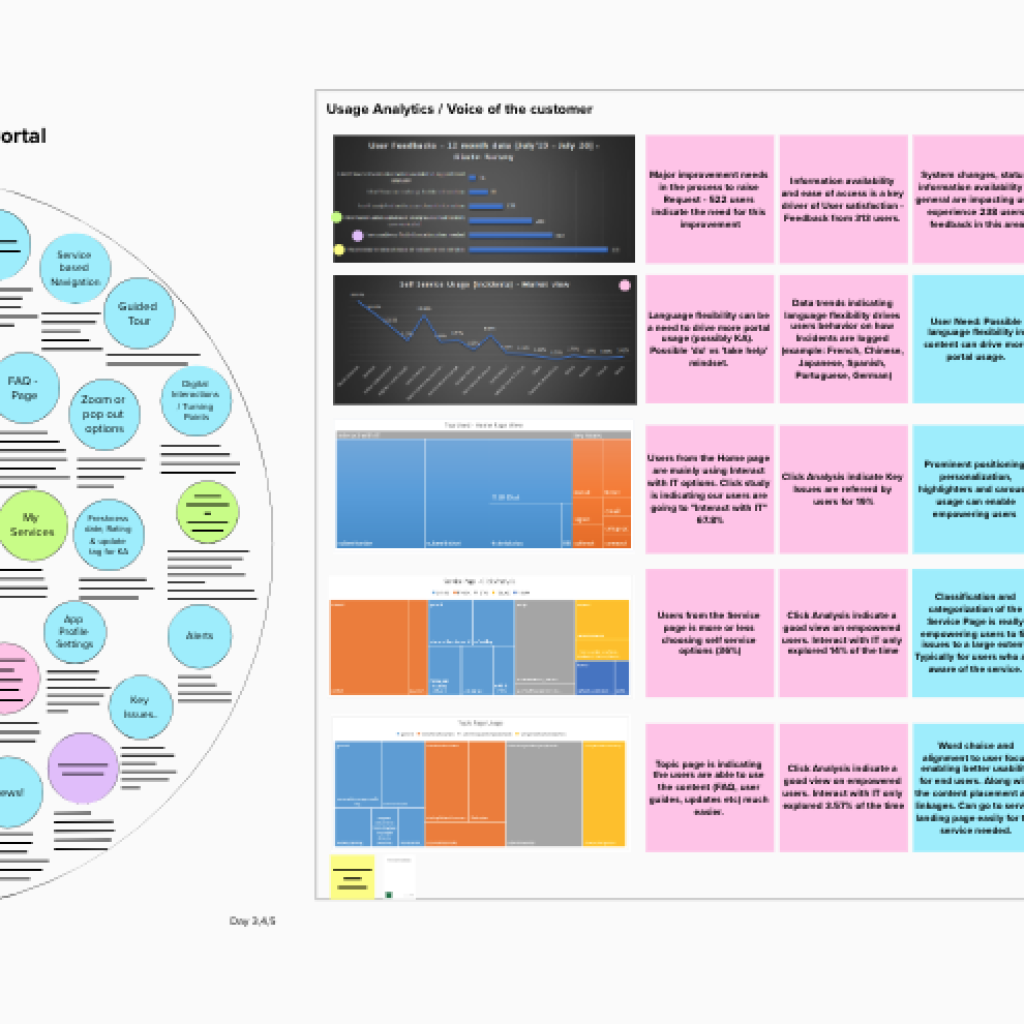
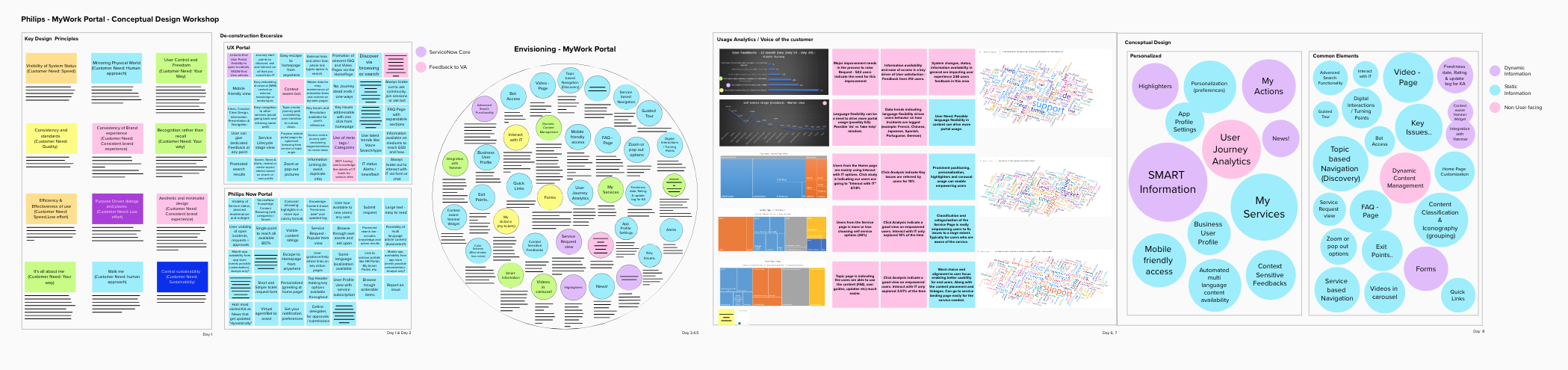
I facilitated and conducted workshops for DXC’s global leadership team, active demonstrations, and show-and-tell sessions for investment leadership, while also introducing cross-organisational stakeholders from sales and operations to the mental models that underpinned the ‘unified experience strategy’. My introduction as leader to these groups also meant that I was called on to meet with customers to present user-centric product deep dives and conceptual data-driven elements.
Interactive Product Design
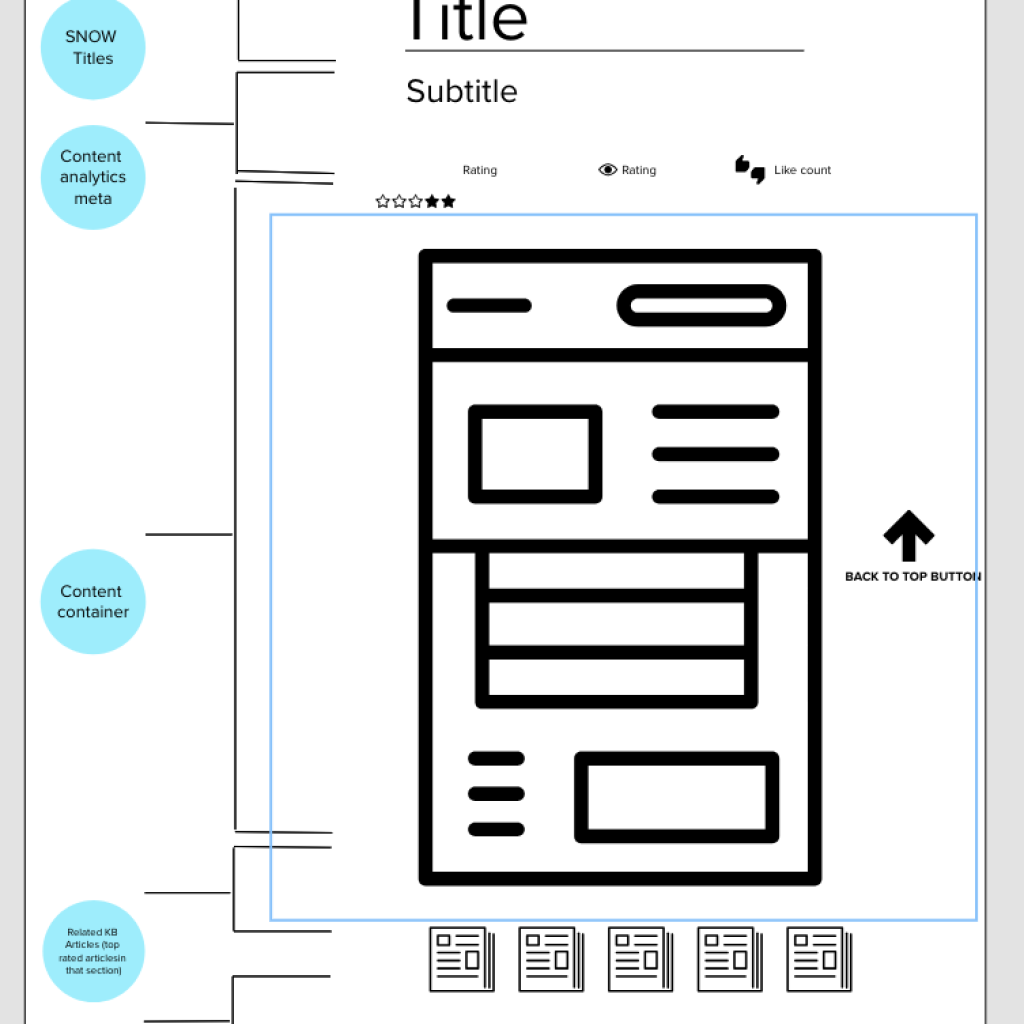
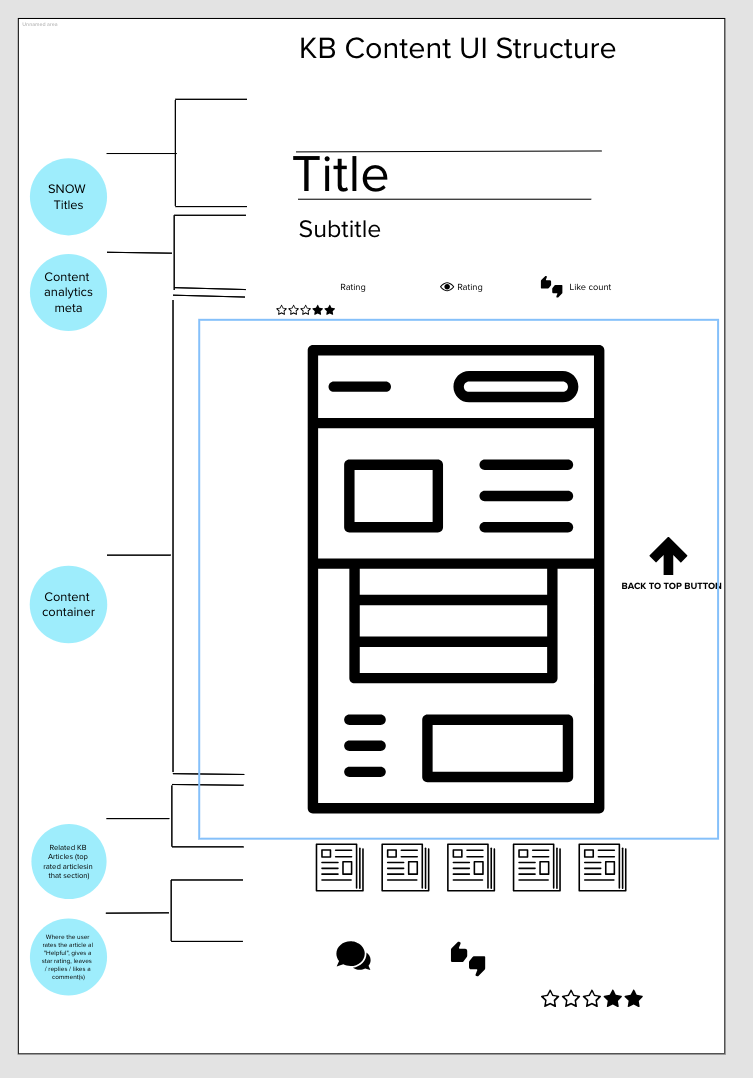
I acted as Senior UX Architect for the product and led a team of workplace domain User Researchers, Knowledge Managers and Article Authors, ITSM Service Designers, ServiceNow Engineers, UI Designers, and Front-End Engineers. The pace of design and development was the most extreme I had established to date within the product design and development lifecycle. With absolute backing and trust from DXC leadership, I was highly effective as a cross-functional leader, translating concepts into designs and designs into development across the intensive product lifecycle.
Experience Strategy Template Library
I served as senior UX architect for workplace mobility in enterprise, collaborating with global technologists, architects and developers within the HPE and Microsoft partnership programme “Cloud, Productivity & Mobility”. I established and operationally managed a distributed UX department supporting the app factory model, spanning offshore teams across Northern Africa, India and South Asia. I evangelised user-centred design across governance, architecture and business teams and created a library of UX materials and templates to enable use-case-centred design practices.
Workforce Profiling
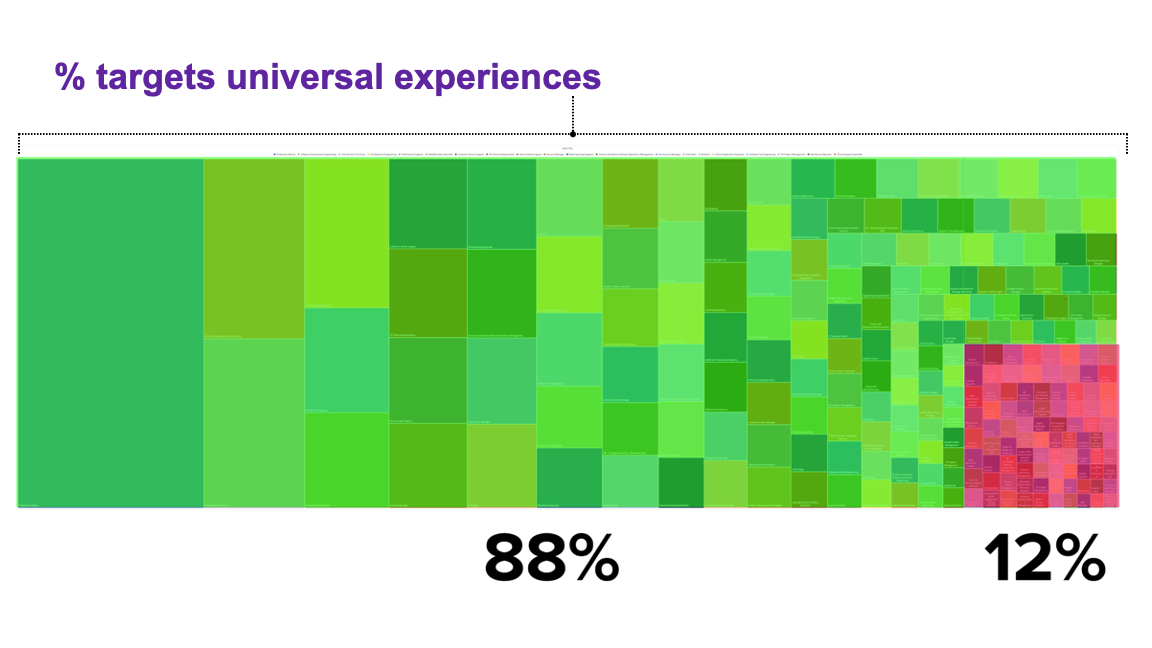
I led the development, industrialization and global scaling of DXC’s Workplace Experience Management services, establishing a distinctive capability at the intersection of employee experience, digital workplace operations, experience analytics, service design, user experience, workforce profiling and continuous service improvement. In this leadership role, I shaped the strategy, operating model and market narrative for Experience Management (XM), Experience Level Agreements (XLAs) and Experience Management Office (XMO) services across DXC’s Modern Workplace business, helping reposition workplace services from commodity IT operations toward measurable, human-centred business outcomes.
My leadership combined product strategy, commercial enablement, customer engagement and delivery governance. I worked directly across pursuit, solutioning and execution phases, supporting sales cycles and senior customer engagements with CXO-level stakeholders, including Chief Experience Officers, CIOs, digital workplace leaders, service owners and executive sponsors. I translated complex experience management concepts into practical commercial propositions, helping customers understand how workforce sentiment, service quality, operational data and technology performance could be converted into measurable contractual outcomes and continuous improvement programmes.
DEXOps
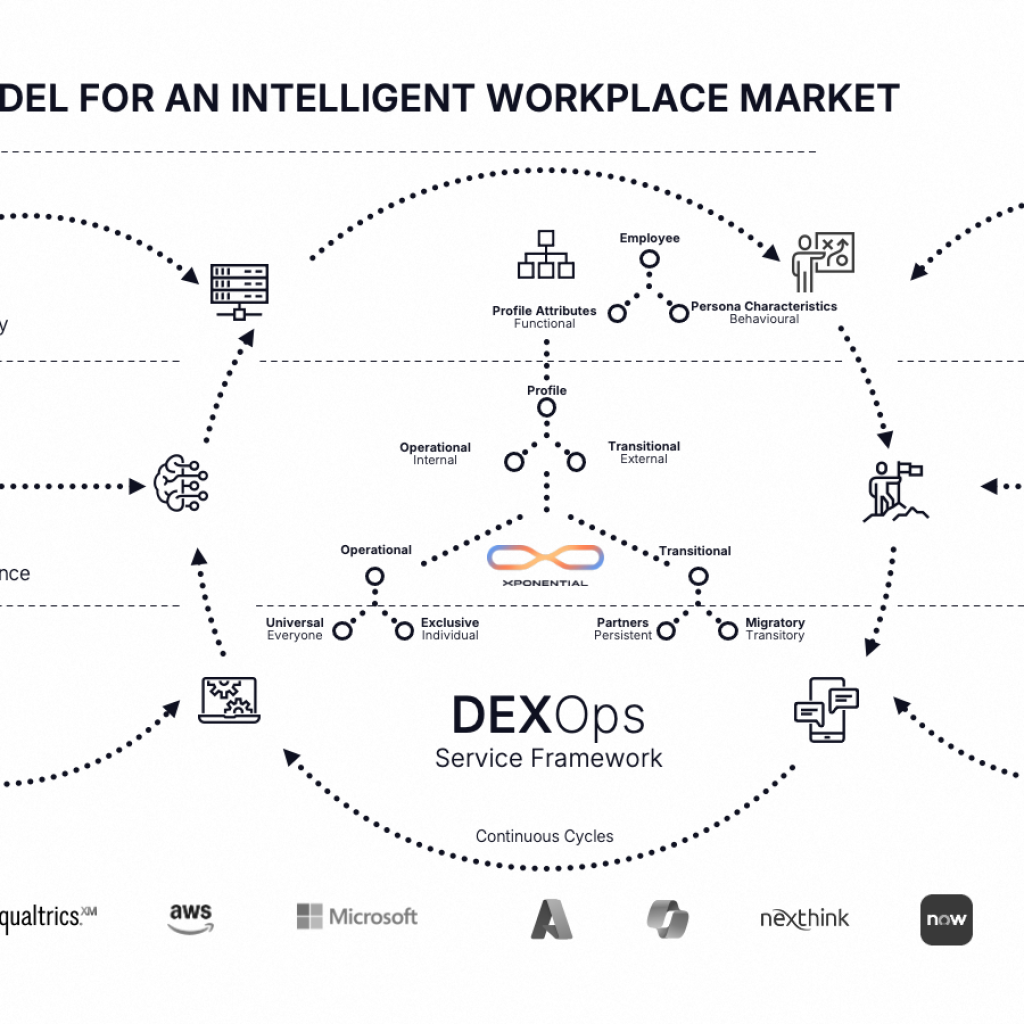
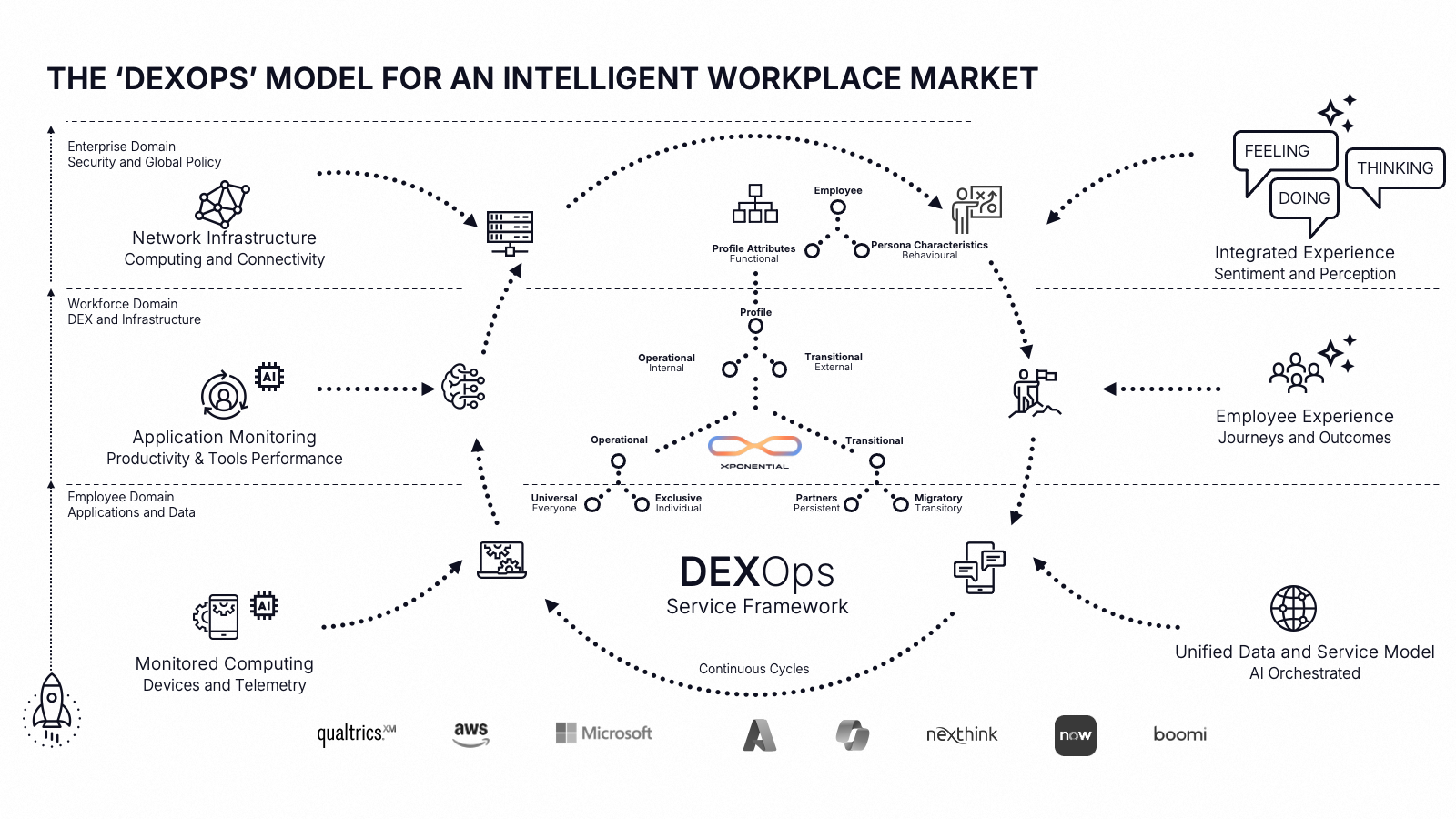
Over the past 12 months, market interest in DXC XM services has doubled. In response, DXC developed a DEXOps-integrated experience architecture to harvest, analyse and consolidate experience and consumption data across the service landscape. The model now supports sales cycles, XMO technology solutions and field operations.
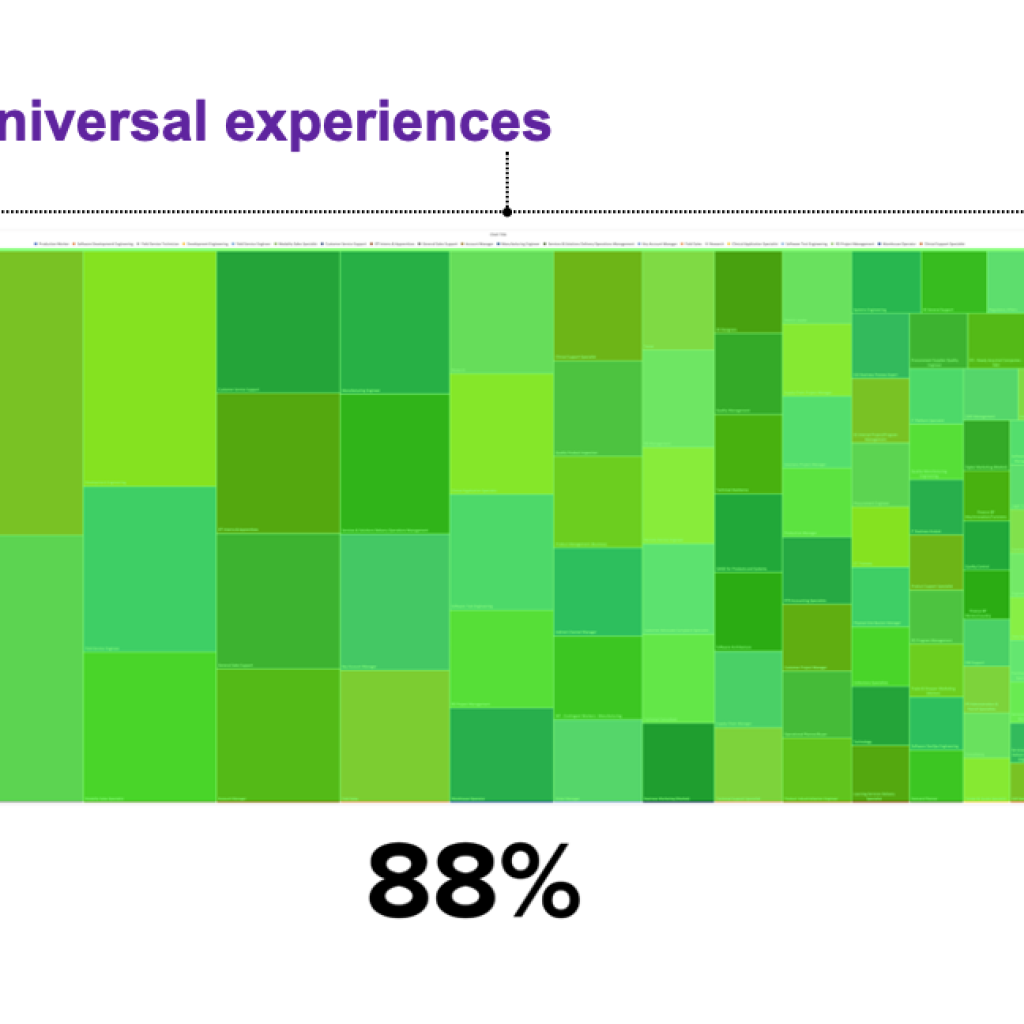
As of April 2026, 87% of DXC Intelligent Workplace customers have active XLAs. Experience data is captured through monitored feedback loops including comments, post-call surveys, voice analytics, sentiment analysis and CSAT campaigns, with governance and performance controls where required.